Emergency Water Damage Restoration in Pottsville: get the water out and the structure dry
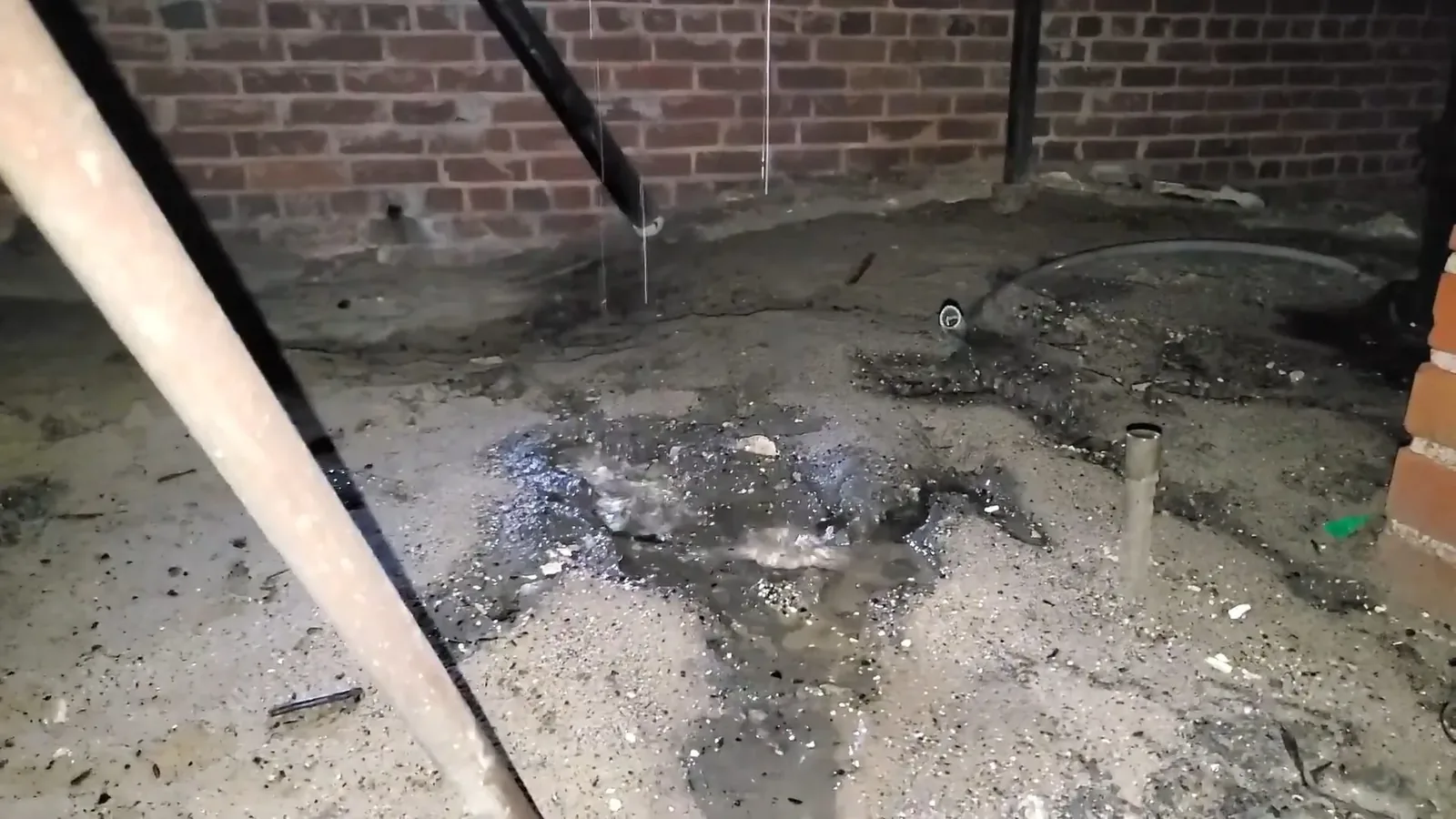
Basement and stormwater flooding in the Pottsville area has been reported by local news and by the fire chief, which makes fast removal and drying the key to limiting damage. The first hours matter more than anything done a week later.
- Licensed and insured plumbers
- Same-day service when available
- 24/7 emergency dispatch
Call the water damage line
For active water damage, flooded basements and drying, call the dedicated water damage line. The number below goes to dispatch for this service only. For leaks, drains and fixtures, use the main number shown across the site.
Water damage line: (888) 681-3447
The first steps while you wait
- Stop the source if you can, by closing the main water valve or the fixture shutoff.
- Turn off electricity to wet areas, from the panel, only if the panel is dry and you can reach it safely.
- Photograph and video everything before moving it.
- Lift furniture and valuables clear of the water.
- Open windows for airflow when weather allows, and keep children and pets out.
Water in the house in Pottsville?
Call the water damage line or the main dispatch line. Availability is confirmed on the call, and you get steps for the wait.
Call (833) 840-2034 Contact pageDamage assessment and major loss inspection
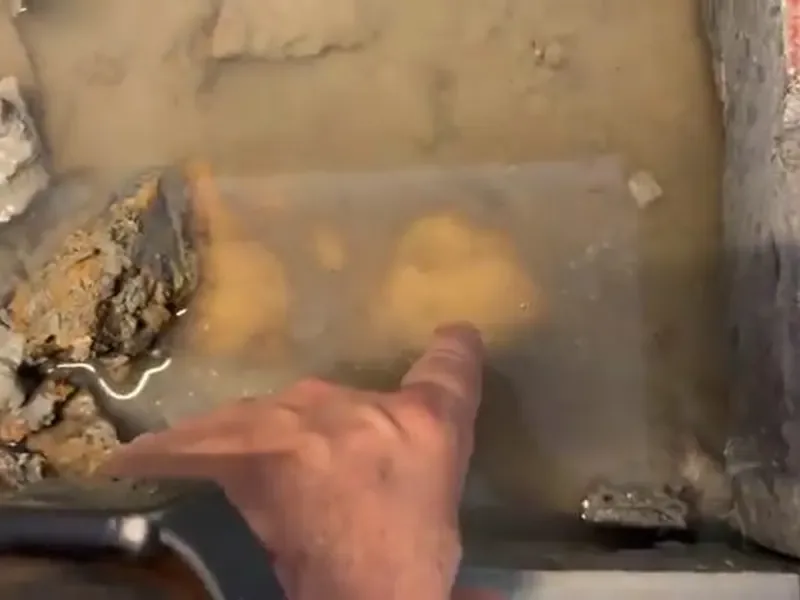
Before equipment goes in, a technician inspects the affected rooms with a moisture meter, notes where water traveled and decides which materials can dry and which must come out. For a major loss, such as a whole flooded basement, the assessment also records the water level and the source, which is useful loss documentation if you file a claim.
Water extraction and removal
Extraction uses pumps and wet vacuums to take standing water out of the structure. Speed matters because water spreads into drywall, subfloors and insulation. Pumps handle deep water in a basement or crawl space, and wet vacuums handle shallow water on floors and carpets.
Drying equipment: air movers and dehumidifiers
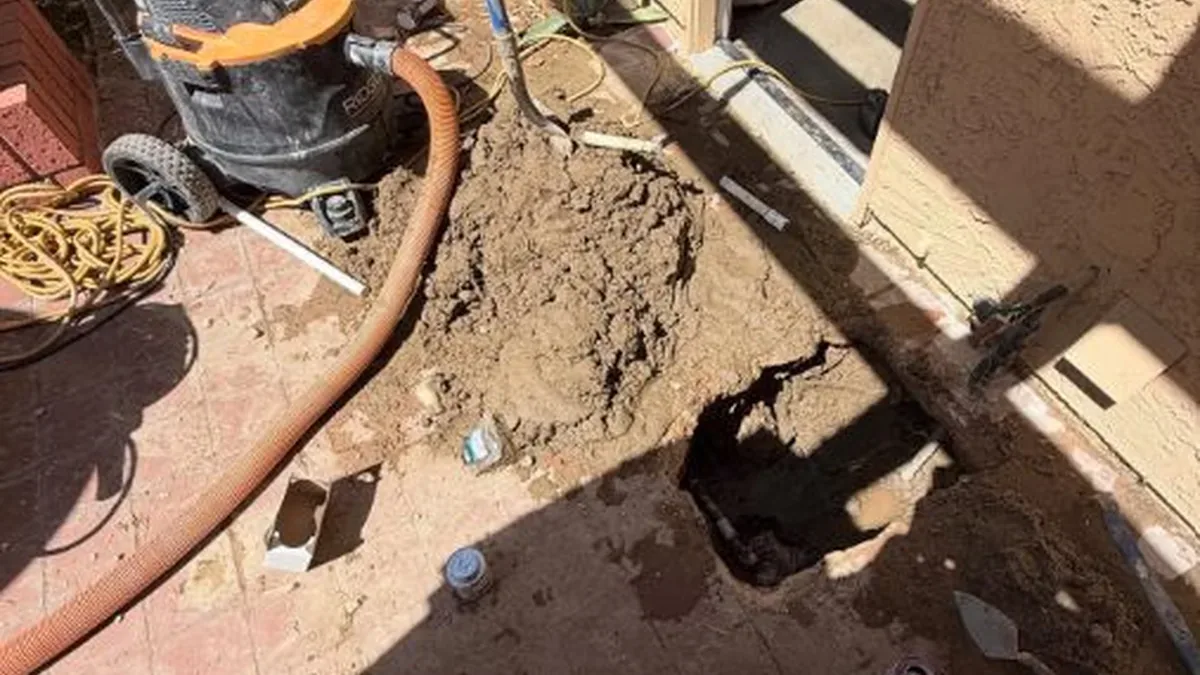
After standing water is gone, moisture stays in building materials. Air movers push dry air across wet surfaces, and dehumidifiers pull moisture out of the air so it does not return. A technician places moisture meters in walls and floors and checks them daily until readings come down to normal.
| Step | What happens | Why |
|---|---|---|
| Assess | Find the source and map the wet areas | Decide what must come out |
| Extract | Remove standing water | Stop spread into materials |
| Remove | Take out wet material that cannot dry | Prevent lingering moisture |
| Dry | Run air movers and dehumidifiers | Return readings to normal |
| Verify | Check moisture readings | Confirm the structure is dry |
Flooded basements and crawl spaces
Basement flooding in the area has come from heavy rain, melting snow and sewer or drain backups. A sump pump, where one exists, helps with groundwater, and the drain clearing covers sump pumps and basement drainage. For removal, the first job is to stop more water from entering.
Sewage backup cleanup
A sewage backup is more serious than clean water. The plumber clears the blockage first, as described under sewer line page, then removal and drying follow with extra caution about contamination. Porous materials touched by sewage are generally removed instead of dried.
Burst pipes and plumbing leak damage
A burst pipe can soak a ceiling, walls and floors within minutes. After the plumber repairs the pipe, as covered under whole house repiping, drying begins. Ceilings below a burst pipe may need to be opened to release trapped water.
Leaks from other sources
Roof leaks, air conditioner overflow, irrigation lines and appliances can cause water damage too. Removal and drying are the same, but the source repair is a different trade, so a roofer or appliance technician may be needed.
Find out what is wet before it spreads
Describe the room and the source. The dispatcher confirms availability and can explain what a first visit covers.
Call (833) 840-2034 Contact pageFlooring and carpet
Carpet and pad that sit in clean water can sometimes be dried in place if action starts quickly. Hardwood, laminate and tile adhesives are harder. If materials have swelled or lifted, they may have to be removed. A technician checks moisture under the surface before saying what is salvageable.
Insurance claims and loss documentation
Take photos and video before and during the work, keep receipts and write down dates and conversations. Ask your insurer what it covers before you sign. Standard homeowner policies exclude mine subsidence, which is insured through the Pennsylvania DEP Mine Subsidence Insurance program, reachable at 1-800-922-1678. This service does not file or negotiate claims.
Condos, apartments and rentals
In a multifamily building, water often travels between units. Report the leak to the property manager right away and ask who arranges the repair of the source. Multifamily buildings hold roughly a quarter of housing units in the city, so shared walls and ceilings are common. Commercial space is covered on the commercial plumbing page.
What this service does not include
Mold testing and mold removal, structural rebuilding and basement waterproofing are separate trades. If a foundation wall is cracking or a basement floods repeatedly, ask a waterproofing or structural specialist to inspect.
Water damage questions
What does water damage restoration include here?
It means removing standing water and drying the structure and contents with extraction pumps, air movers and dehumidifiers. Mold testing and mold removal, rebuilding and basement waterproofing are separate trades and are not part of this service.
What should I do before help arrives?
If it is safe, shut off the water source and the electricity to wet areas. Move valuables and furniture out of the water, photograph the damage and open windows if the weather allows. Stay out of standing water if it touches outlets or appliances.
Is water from a sewage backup different?
Yes. Sewage water carries contamination and needs careful removal. Do not wade through it or touch wet items, and keep children and pets away. The plumber stops the backup, and removal and drying follow.
How long does drying take?
Drying depends on how much water reached the structure and what materials it soaked. Equipment is usually left running for several days, and a technician checks moisture readings until they return to normal.
Does homeowners insurance cover water damage?
It depends on the cause and the policy. Many policies cover sudden pipe bursts but not flood or groundwater, and standard policies exclude mine subsidence. Ask your insurer before you sign anything, and keep photos and records of the damage.
Do you handle mold?
No. This service covers removal and drying only. If you see or suspect mold, ask a separate testing or remediation provider. Fast drying is the best way to reduce the chance of mold growing.
Sources of water and what follows
Tracing where a leak starts is covered under leak location, and freezing damage under repiping and pipe repair. For quote factors, see the cost guide.
Dry out your Pottsville home sooner
Use the water damage line for removal and drying. Tell the dispatcher where the water came from and which rooms are wet.
Call (833) 840-2034 Contact page- Licensed and insured plumbers
- Same-day service when available
- 24/7 emergency dispatch