Water Softener and Filtration in Pottsville: test the water, then pick the fix
One USGS-based estimate for Pottsville puts hardness around 10 grains per gallon, moderately hard, but it is an estimate. A test at your own tap tells you whether you need a softener, a filter or nothing at all, and it is the first step before spending money.
- Licensed and insured plumbers
- Same-day service when available
- 24/7 emergency dispatch
Signs of hard water in your house
- Scale: white crust around faucets, showerheads and kettles.
- Spots: cloudy glasses and film on shower doors.
- Soap: poor lather and a sticky feel after washing.
- Heater: rumbling, shorter hot water supply or early failure.
- Appliances: washers and dishwashers that scale up inside.
Test before you buy
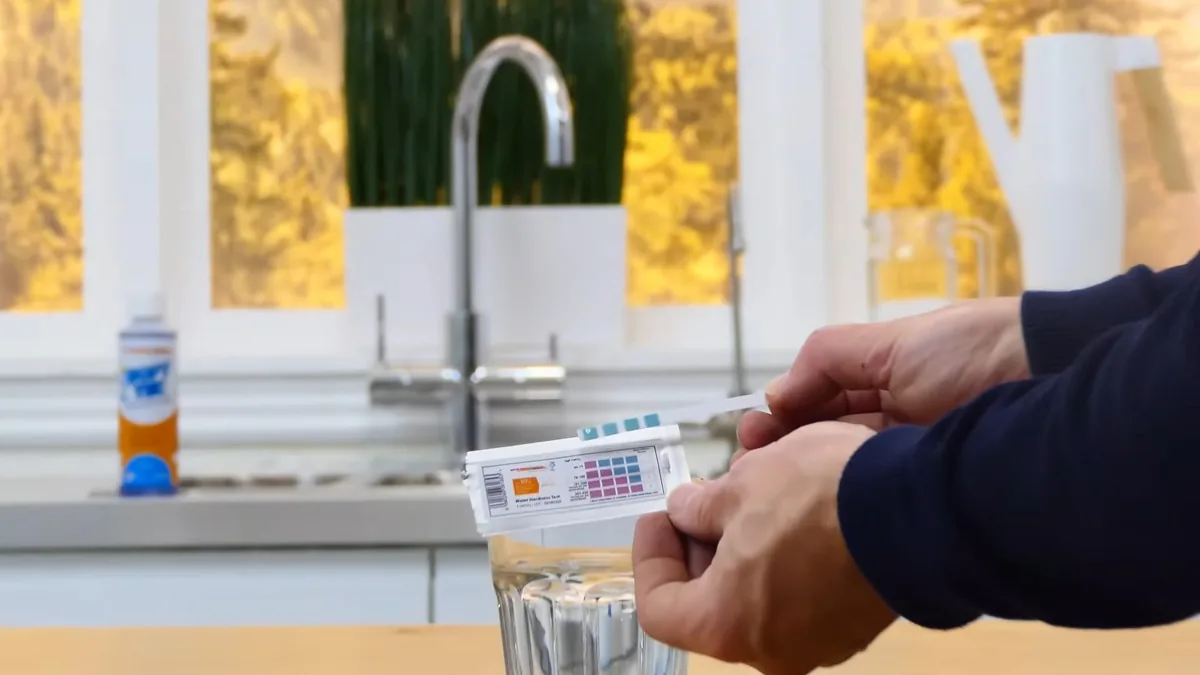
Hardness is measured in grains per gallon or parts per million. A kit from a hardware store gives a rough number, and a lab test gives a precise one. The water authority also publishes an annual water quality report, so you can compare your tap result against the system average. Ask the plumber to test at the tap, because pipes and heaters can affect what you see.
| Treatment | Targets | Where installed |
|---|---|---|
| Salt softener | Hardness minerals | Whole house, at the main |
| Whole-house sediment or carbon filter | Particles, chlorine, taste | Whole house, at the main |
| Under-sink reverse osmosis | Dissolved solids, taste | One drinking tap |
| Under-sink filter | Taste and odor | One tap |
Hard water wearing on your Pottsville plumbing?
Describe the signs you see and whether you have had a test done. A plumber serving your area can advise on the next step.
Call (833) 840-2034 Contact pageSoftener installation
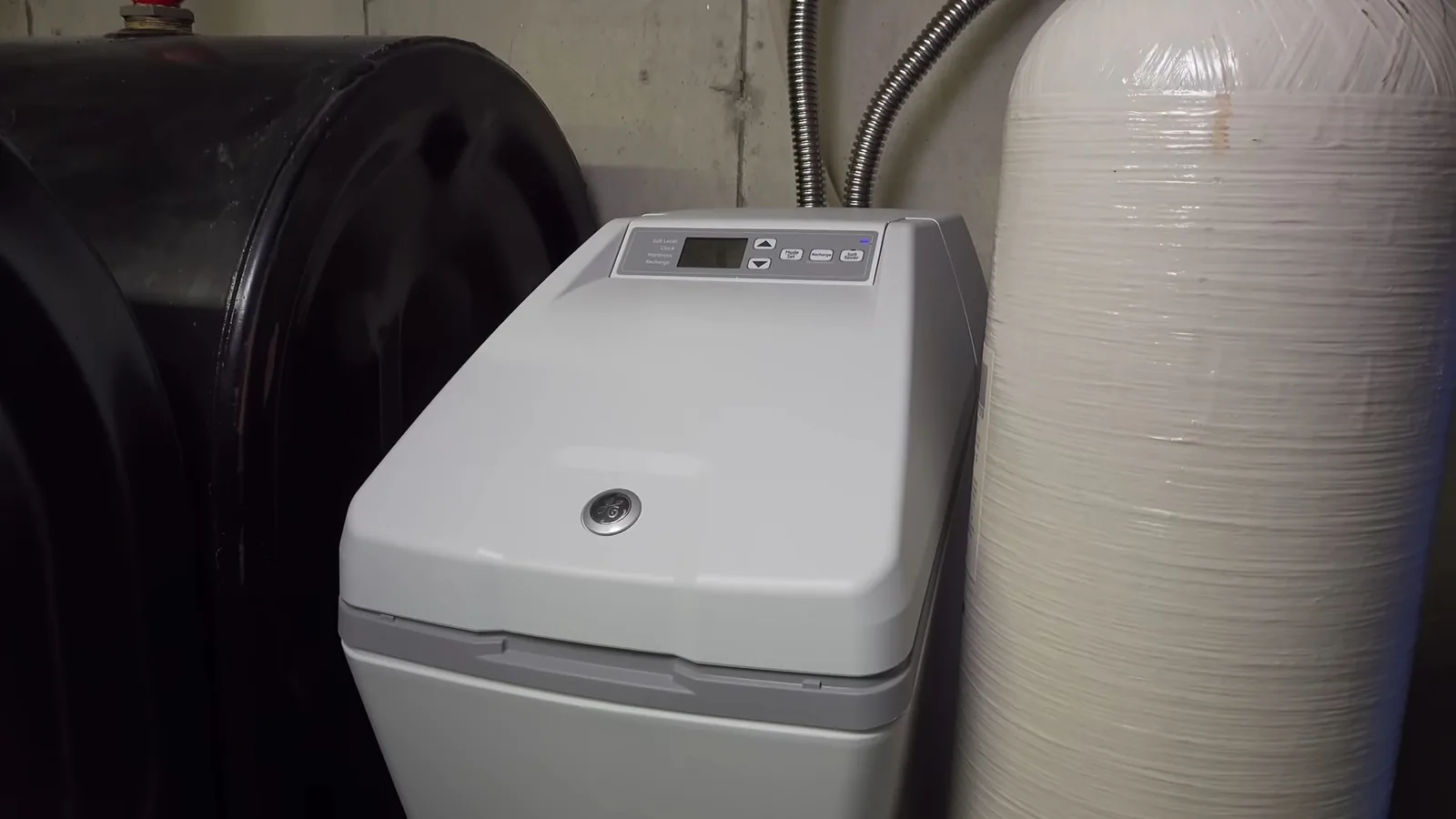
A softener sits on the main water line, usually near the heater, with a bypass valve, a drain connection and a nearby outlet. The plumber picks a size based on household use and hardness, sets the control head and runs the first regeneration. Hot water is treated too, which helps the heater, as described on the water heater repair page.
Salt, brine and regeneration
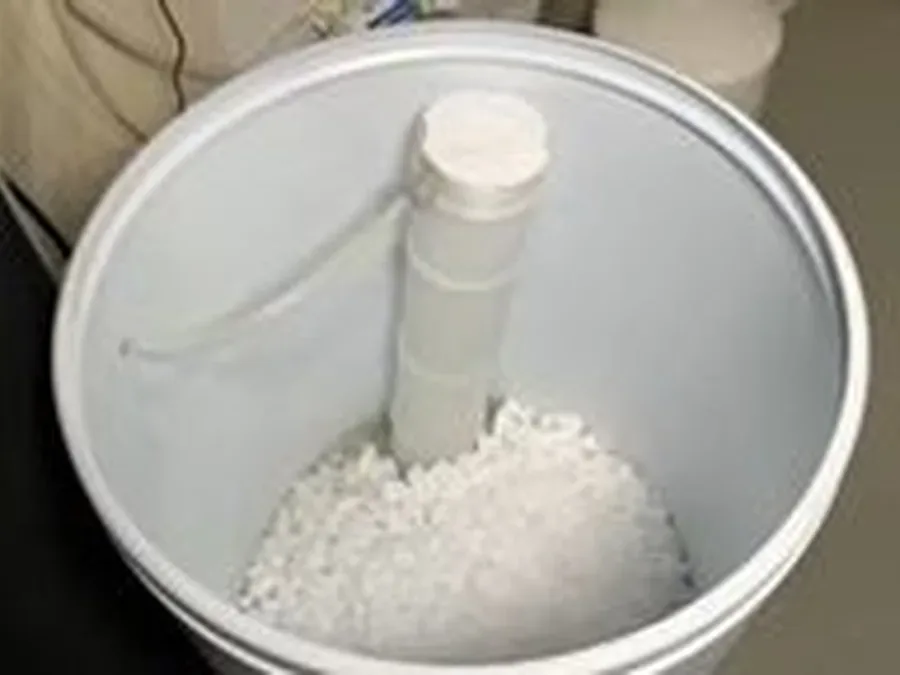
Regeneration is when the resin beads are cleaned with brine. It usually runs at night, so the softener is not in use. If you run out of salt, hardness returns. If the salt forms a hard crust, called a bridge, brine cannot form. Break it up with a broom handle and refill. Choose salt as the manual directs.
Softener repair and service
- Hard water returns: check salt, the bypass valve and the control head settings.
- No regeneration: a failed control head, motor or power supply.
- Low flow after the softener: clogged resin or a blocked injector.
- Salty or odd taste: a brine valve or regeneration setting problem.
- Leak at the unit: a fitting, valve or tank seal to inspect.
Reverse osmosis and under-sink filters
Under-sink systems treat one tap. A reverse osmosis unit has a pre-filter, a membrane and a storage tank, and it needs a drain connection and a faucet. The filters and membrane need replacing on a schedule, so check what the maker recommends. Choose one based on a test, and ask what the replacement filters cost over a year.
Whole-house filtration
A whole-house filter treats every tap. Sediment filters catch sand and rust. Carbon filters reduce chlorine, taste and odor. They protect appliances and improve water without removing hardness, so a softener may still be needed. Place the filter ahead of the softener so the resin stays clean.
Water conditioners and alternatives
Some devices claim to condition water without salt. They may reduce how scale clings, but they do not remove hardness the way a softener does. Ask the installer what a device does, and look for independent test data.
Install or service a softener
Give your address and say whether you already have a unit. Availability is confirmed on the call.
Call (833) 840-2034 Contact pageWater softener and filtration questions
How do I know if I have hard water?
Signs are white crusty scale on faucets and showerheads, cloudy glassware, soap that will not lather and a heater that rumbles. A test kit or a lab test gives the number. A USGS-based estimate for Pottsville is around 10 grains per gallon, moderate hardness, so test your own tap.
How does a water softener work?
A softener passes water through resin beads that swap calcium and magnesium for sodium or potassium. When the beads fill, the unit regenerates with a brine solution and flushes the hardness down the drain.
What is the difference between a softener and a filter?
A softener removes hardness minerals. A filter removes particles, chlorine, taste and odor or other contaminants, depending on its media. Many homes use both, and a test shows which problem you have.
How often does a softener need salt?
It depends on water hardness and household use. Check the brine tank every month or two and refill when the salt level drops near the water line. A salt bridge, a crust that blocks salt from dissolving, is a common fault.
Is reverse osmosis worth it for drinking water?
An under-sink reverse osmosis unit treats the tap used for drinking and cooking. It adds a separate faucet and a small storage tank. A test of your water helps you decide.
Can a plumber repair my softener?
Often yes. Common faults include a stuck valve, clogged resin, a salt bridge, a failed control head or a leak at a fitting. A plumber can tell whether a repair or a replacement makes sense.
Hard water and the rest of the plumbing
Scale builds in tank and tankless heaters, as covered on the tankless water heater page. For a failing heater, see heater replacement. The cost factors lists what shapes a quote.
Talk water treatment with a Pottsville plumber
Share your address and your tap test result if you have one. The dispatcher will talk through timing and interim steps.
Call (833) 840-2034 Contact page- Licensed and insured plumbers
- Same-day service when available
- 24/7 emergency dispatch